Photo Credit: Roatan Garifuna People — ROATAN
Who are the Garifuna? They are mixed-race descendants of West Africa, the Caribbean Islands, and Central Africa. Their heritage shares a unique culture of vibrant expressions, spirituality, and foods.
Origins:
Garifuna is an ethnic group that originated in the Caribbean Island of Saint Vincent. By the 17th century, people from shipwrecks, like escaped West African slaves, to those indigenous to the Arawaks and Caribbean populations had begun to interact. These Afro-Caribbean people were later exiled by the British in 1797 to Roatan, Honduras. They later began to spread along the central American coast, mainly in Belize, Guatemala, Honduras, and Nicaragua.
Culture:
The Garifuna people embody an Afro-Indigenous heritage, blending both African and Caribbean traditions. Music is essential to Garifuna expression and culture. For example, Punta is known to originate from traditional music, utilizing Garifuna drums made from hollowed-out hardwoods that carry the rhythms of primero and segunda (bass). During ceremonies and community festivals, Garifuna people showcase their joy and spirit through dance. Family is everything in Garifuna culture. It’s a foundation of heritage, identity, and support.
Spirituality:
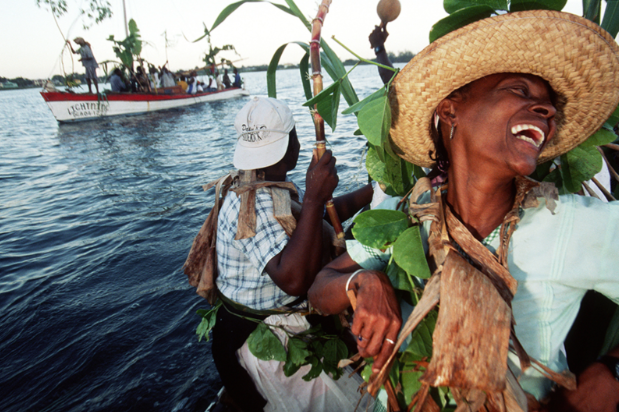
Spirituality holds much of Garifuna’s culture by connecting them with nature and their ancestors. These beliefs are performed to honor ancestors and are a mixture of African traditions and indigenous practices. One important ceremony is called “dugu,” where families honor deceased loved ones.
This includes people giving offerings and traditional music that strengthens the spiritual connection between the living and their ancestors.
Food:
Garifuna food is a combination of Central American crops and African-style cuisines. These foods include fish, chicken, cassava, bananas, and plantains. My favorite dish is machuca, made from mashed green plantains that are served with coconut milk soup, often topped with shrimp, crab, or fish. Garifuna cuisine also includes dishes like dharasa, which is the Garifuna version of a tamale, and hudut, a flavorful fish stew served with mashed plantains. Cassava is used in many meals as well.
Garifuna cuisine reflects the communities’ diverse backgrounds that encourage bonding and cultural identity.
Language:
The Garifuna language is an Arawakan tongue with significant African influences. The language plays a vital part in storytelling and maintaining cultural identity through the community’s history and beliefs.
Recognition:
Garifuna is recognized by UNESCO as a Masterpiece of the Oral and Intangible Heritage of Humanity. I am a mix of both Honduran and Garifuna ethnic cultures, but I feel that part of my culture is not widely recognized or understood by many people. Garifuna is a unique culture, rich with Afro-Caribbean traditions and shaped by a blend of diverse Caribbean ethnic groups.
Sources:
Roatan Garifuna People — ROATAN
https://globalsherpa.org/garifunas-garifuna/
https://ich.unesco.org/en/RL/language-dance-and-music-of-the-garifuna-00001